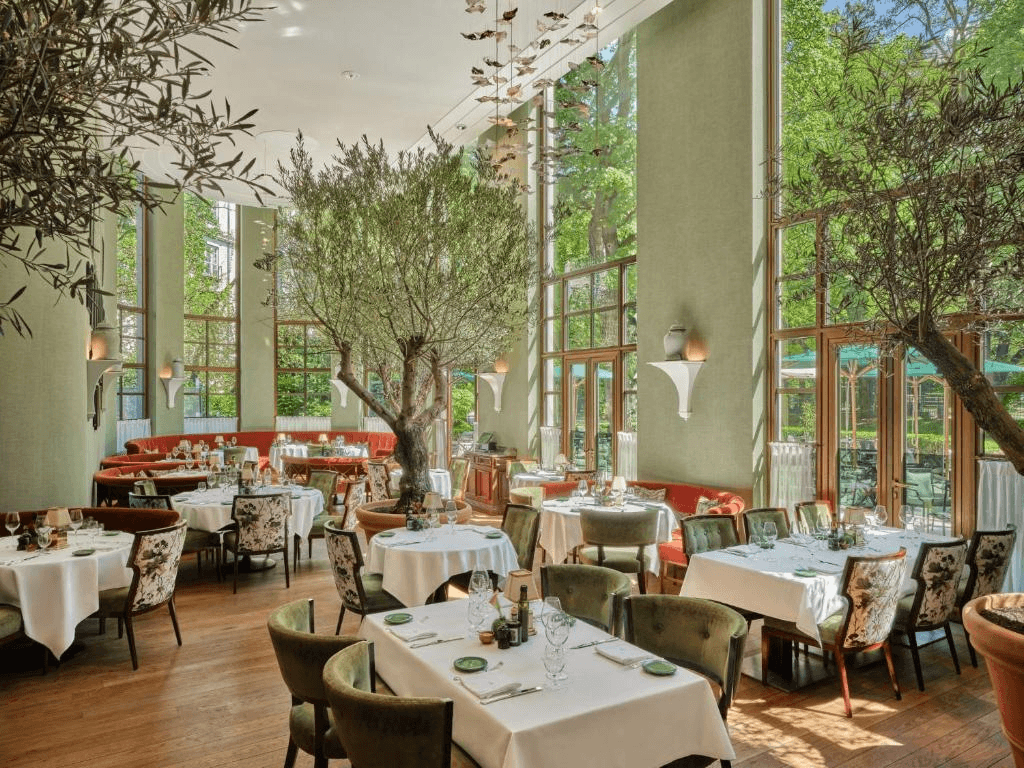
Hotel video marketing has entered a new era. Where traditional production required crews, equipment, location scouts, and weeks of post-production, AI-powered video tools now let hotels create cinematic content in days — at a fraction of the cost.
This guide covers everything you need to know about using AI video production for your hotel, from how the technology works to practical implementation strategies.
Why hotels need video content now
Video is the single most effective content format for travel marketing. According to Google, 65% of leisure travelers watch online video when thinking about taking a trip, and travelers who watch video are 150% more likely to book.
Yet most hotels struggle with video production. Traditional shoots are expensive ($10,000–$50,000+ per video), disruptive to operations, and produce content that goes stale as properties renovate and seasons change.
Hotels that publish video content consistently see 2-3x higher engagement rates on social media and booking platforms compared to photo-only listings.
What is AI video production for hotels?
AI video production uses generative AI models to create video content from existing hotel photography. Instead of sending a crew to your property, you upload your best photos and describe the story you want to tell. AI models then generate cinematic video scenes that bring those photos to life.
The key difference from consumer AI video tools: professional AI video production platforms like Strana add a human creative layer. Every generation is reviewed and directed by experienced video professionals who ensure the output is publish-ready — not just technically impressive, but narratively compelling.
How AI hotel videos compare to traditional production
| Traditional Production | AI Video Production | |
|---|---|---|
| Cost per video | $10,000–$50,000+ | $200–$2,500 |
| Timeline | 4–8 weeks | 48–72 hours |
| Operational disruption | High — crews on-site for days | None — uses existing photos |
| Seasonal flexibility | Limited — reshoot required | High — generate new content anytime |
| Scalability | Linear — each video is a new project | Exponential — same photos, many stories |
The AI video production workflow
Step 1: Upload your media library
Start by uploading your existing hotel photography. The best results come from high-quality, professional photos that showcase your property's key selling points: rooms, amenities, dining, views, and common areas.
Step 2: Create a brief
Describe the story you want to tell. This could be a seasonal campaign ("Summer at the Adriatic"), a format-specific request ("Instagram Reels for our spa"), or a full narrative ("A couple's anniversary weekend at our resort").
Step 3: AI generation with human direction
This is where AI video production differs from simple AI tools. Professional platforms use the best available AI models (Google Veo, OpenAI Sora, Kling, and others) but apply human creative direction at every step. Directors review each generated scene for quality, narrative coherence, and brand consistency.
Step 4: Review and publish
You receive finished, publish-ready videos in the formats you need: 16:9 for websites and YouTube, 9:16 for Instagram Reels and TikTok, and any custom aspect ratio for OTA platforms.
Use cases for AI hotel video
Property showcase videos
The most common use case: a 45-60 second hero video that tours your property's highlights. Perfect for your website homepage, OTA listings, and social media profiles.
Social media content
Short-form videos (5-20 seconds) optimized for Instagram Reels, TikTok, and YouTube Shorts. AI production makes it economically viable to produce fresh social content weekly or even daily.
Seasonal campaigns
AI video production excels at seasonal content because you can generate new videos without scheduling a new shoot. Create summer content, holiday campaigns, and event-specific videos from your existing photo library.
Room and suite showcases
Individual room type videos help guests understand what they're booking. Particularly valuable for suites and premium room categories where the price premium needs visual justification.
Dining and spa experiences
Lifestyle content that showcases the guest experience beyond the room. These videos perform exceptionally well on social platforms and help differentiate your property from competitors.
Alfred Hotels
Aman
JW Marriott Muscat
Choosing the right AI video production approach
Not all AI video solutions are equal. Here's what to look for:
-
Human creative oversight — Pure AI output is inconsistent. Look for platforms that combine AI generation with human direction and quality control.
-
Multiple AI models — The AI video landscape evolves rapidly. Platforms that integrate multiple models (rather than building on a single one) can always use the best available technology.
-
Hotel-specific expertise — Generic AI video tools don't understand hospitality. Choose a platform that knows what makes hotel content effective: the pacing, the storytelling, the formats that booking platforms favor.
-
Full commercial rights — Ensure you own the content outright, with no usage restrictions or attribution requirements.
-
Format flexibility — You need content in multiple aspect ratios and durations for different platforms. The platform should handle this natively.
Getting started with AI video production
The barrier to entry is remarkably low. If you have professional photos of your hotel (and most hotels do), you can start producing AI video content today.
Here's a practical first step: take your 10-20 best property photos, choose one story you'd like to tell, and try creating a short-form video. The results will speak for themselves.
Further reading
Cost and comparison
- AI Video vs. Traditional Hotel Video Production — A full breakdown of costs, lead times, and output tradeoffs.
- Strana vs. Hiring a Hotel Videographer — When to use AI workflows, when to hire a crew, and when to combine both.
- Canva and CapCut for Hotel Video — What generic editors do well, where they break down, and when to switch.
Strategy and use cases
- How to Create Hotel Video from Existing Photos — Three practical paths to turn your current asset library into video.
- Hotel Video for OTA Listings — Technical format guidance for Booking.com, Expedia, and major OTA channels.
- Hotel Social Media Video Strategy — A repeatable workflow to go from zero to consistent daily content.
- Personalized Hotel Video — How to adapt narrative and creative for specific guest segments before booking.
- Why Generic AI Tools Fail for Hotel Video — Brand and compliance risks behind one-size-fits-all AI tooling.
Industry perspective
- The Photo Era of Hotel Marketing Is Over — Why static visuals are losing performance against motion-first content.
- The Real AI Revolution in Hotels Is Not Chatbots — Where hospitality AI budgets are actually creating measurable returns.
- If Your AI Vendor Cannot Point to a Specific Output, You Are Playing FarmVille — A framework to separate performative AI from operational impact.
- Hotels Do Not Have an AI Adoption Problem. They Have a Delegation Problem. — Why execution speed, not enthusiasm, determines AI outcomes.
- MICE Video: How to Sell a Full Ballroom Before the Event Happens — Showcase conferences and events with scenarios photography cannot capture.
- Wedding Venue Video Marketing — Help couples picture their day in your property before they commit.